
Who Is an Interventional Cardiologist and How Can They Help Your Heart?
When it comes to cardiovascular health, understanding the specific expertise of different medical professionals is essential for receiving the right treatment. While many people are familiar with a general cardiologist, there is a specialized expert known as an interventional cardiologist who plays a critical role in treating complex heart issues. This field focuses specifically on using minimally invasive techniques to diagnose and treat structural and circulatory problems within the heart. By focusing on non-surgical solutions, these specialists offer patients a way to address serious conditions with shorter recovery times and less physical trauma. At CardioCare Clinic, led by the expertise of Dr. Jyotirmaya Dash, we believe that informed patients make the best decisions for their cardiovascular health.
Understanding the Interventional Cardiologist
An interventional cardiologist is a heart specialist who goes beyond traditional diagnosis and medication management. These doctors undergo several years of additional specialized training to master catheter-based procedures. While a general cardiologist focuses on heart check ups and long term management through lifestyle changes and medicine, an interventional specialist is the one who physically repairs the heart and blood vessels from the inside.
The primary goal of this specialty is to treat heart diseases using small, flexible tubes called catheters. These are typically inserted through a tiny incision in the wrist or groin and guided through the blood vessels to the heart. This approach allows for life saving treatments without the need for traditional open heart surgery.
How They Help Your Heart Health
If you are dealing with symptoms of heart disease such as persistent chest pain, breathlessness, or fatigue, an interventional cardiologist is often a key figure in your recovery. They specialize in treating several high-risk conditions through precise, technical interventions:
Managing Coronary Artery Disease
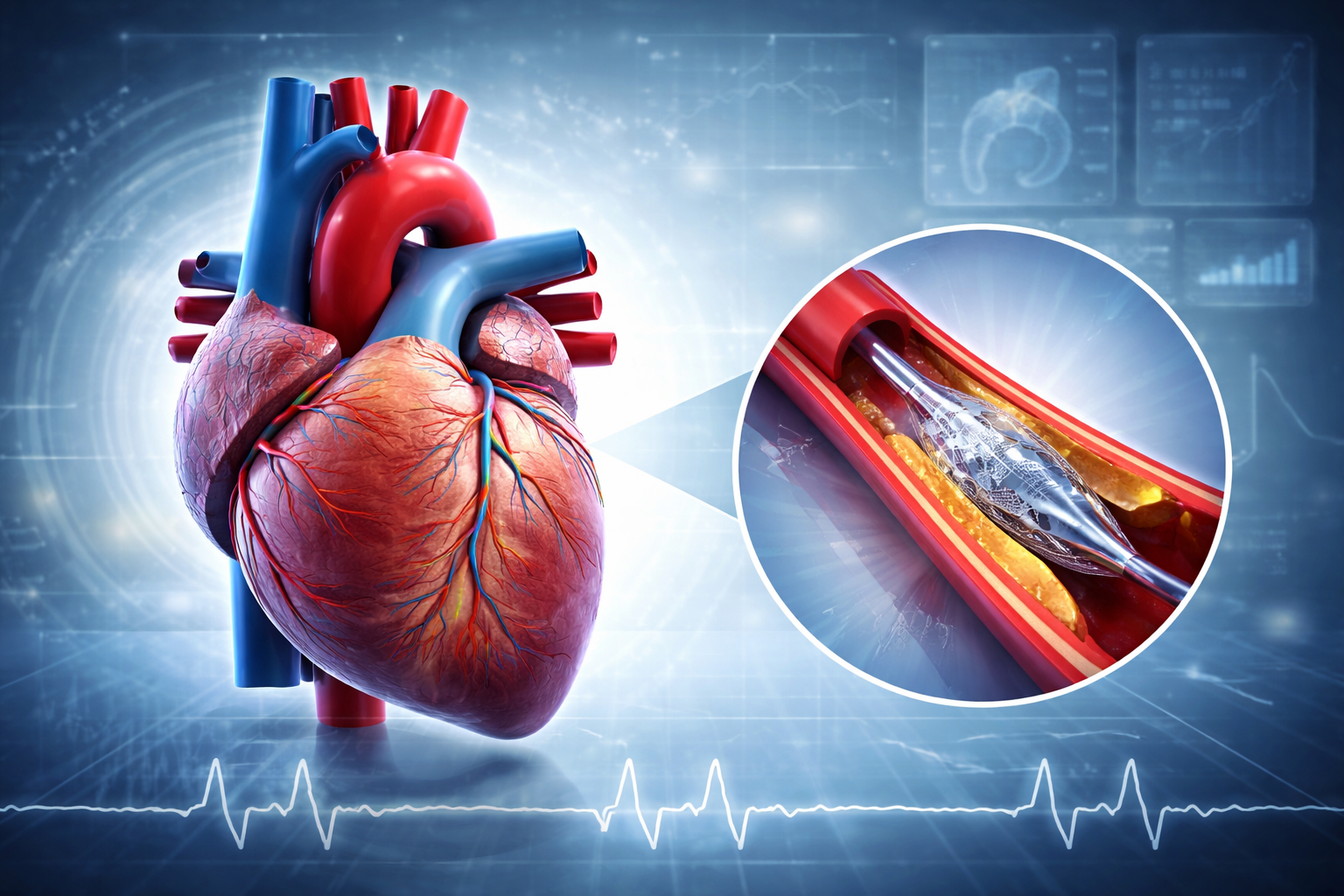
Coronary artery disease occurs when the arteries that supply blood to the heart muscle become narrowed or blocked by plaque. An interventional cardiologist uses an angioplasty procedure to open these blockages. During this process, they may place a stent to keep the artery open, ensuring the heart receives the oxygen-rich blood it needs to function.
Addressing Heart Failure
For a patient with heart failure, interventional techniques offer specialized hope. While heart failure management often involves medications, an interventional specialist can perform procedures to fix underlying causes, such as leaky valves or structural defects. Improving the mechanical function of the heart can significantly reduce the symptoms of heart failure and improve overall quality of life.
Treating Structural Issues and Arrhythmia
From repairing a heart arrhythmia to closing holes in the heart that have been present since birth, these specialists handle the delicate architecture of the heart. They use advanced cardiac imaging to see exactly where the problem lies and fix it with precision, often preventing the progression of cardiac disease.
Diagnostic and Preventive Support
Beyond emergency repairs, interventional cardiology plays a massive role in diagnostic accuracy. Using tools like cardiology catheterization, doctors can measure the pressure inside heart chambers and look at the blood flow in real time. This is often more definitive than standard tests for heart health, providing a clear roadmap for treatment.
Furthermore, these specialists work closely with patients to manage risk factors like hypertension and high blood pressure, which are major contributors to heart failure. By addressing these early, it is possible to avoid the need for more invasive cardiovascular procedures later in life.
Taking the First Step Toward Heart Health
Prioritizing heart health starts with recognizing when specialized care is necessary. If you have a family history of heart disease or are experiencing new symptoms, seeking a professional evaluation is vital. An interventional cardiologist provides a bridge between medical management and major surgery, offering highly effective, modern solutions for maintaining a healthy heart. Through early diagnosis and the right cardiovascular treatments, it is possible to manage heart conditions effectively and lead a full, active life.